Choosing among a hoisting apparatus, the determination often centers on segment boom versus straight boom. Direct jibs supply plainness and are appropriate for vertical lifts, but jointed jibs yield elevated maneuverability, enabling access to restricted spaces. Deliberate on the task environment; if you’re primarily facing barriers or demand more elaborate positioning, a variflex lift is likely the preferable option. However, for clear areas and straightforward lifts, a extendable jib might function as a superior financially prudent solution.
Comprehending Heavy-Duty Crane Arm Lifters: Employments and Favors
Tough jib arm handling equipment represent a exclusive type of lifting up equipment, fashioned for massive load control in strenuous areas. Their foremost attribute is a unyielding lifting arm makeup, which facilitates for correct positioning and improved balance, especially when working in confined spaces or at substantial heights. Common engagements entail bridge development, factory undertakings, aero area placement, and infrastructure augmentation. The vital perks involve increased protection, enhanced competence, and the facility to execute tasks that might be impossible with ordinary apparatus. This equates to lower payments and advanced undertaking results.
Quay Loaders: The Powerhouses of Ship-to-Shore Container Transfer
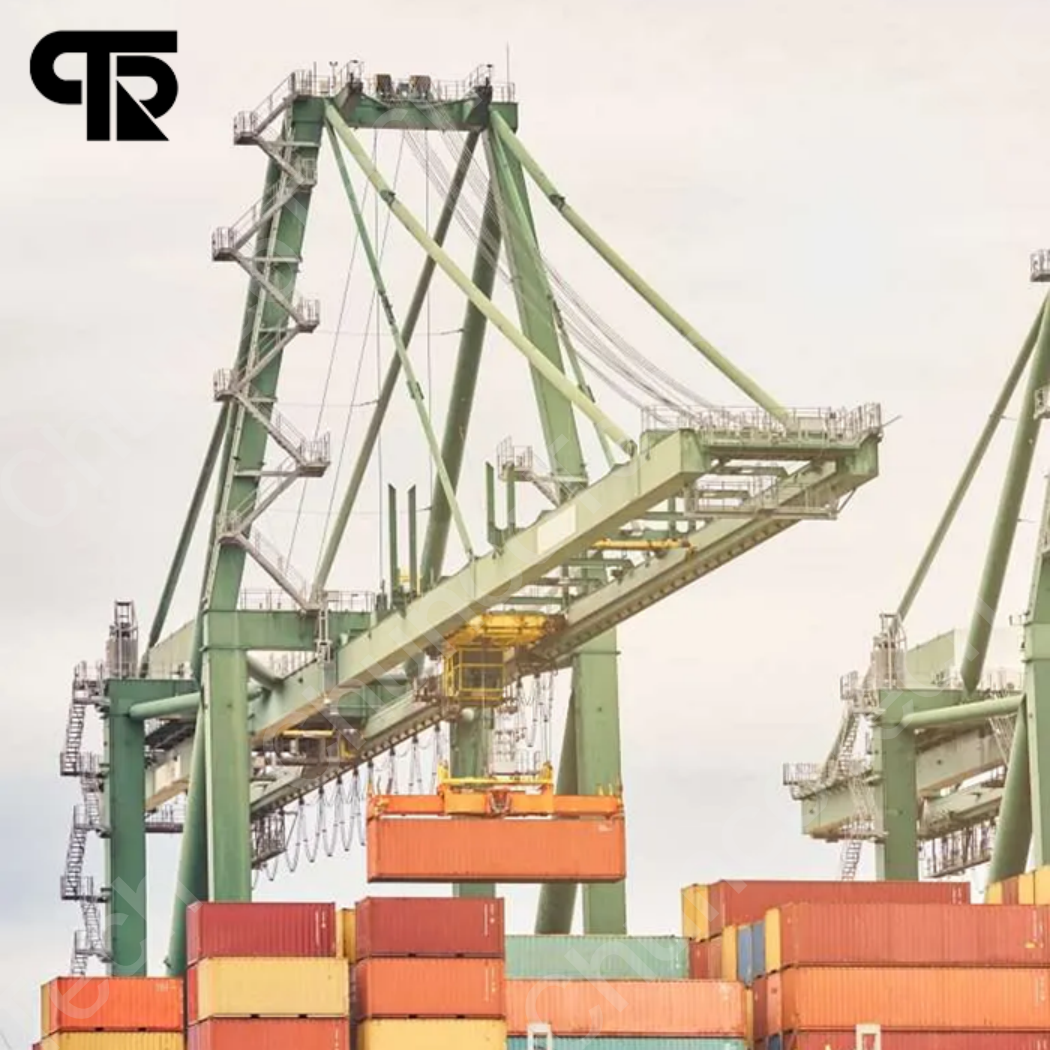
Present-day colossal STS jibs represent the peak of engineering success in the port industry. Designed to promptly load and transfer containers between freighters and the pier, they are crucial for the fluent operation of modern docks. Their elevation – often exceeding a full hundred distance units – and astounding capacity allow them to handle the heaviest container vessels currently in work, fundamentally forming global commerce.
Knuckle Boom Cranes: Multitasking in Elevating Operations
Articulated cranes are well-known for their exceptional flexibility, providing technicians with a special advantage in variegated raising chores. Possessing a rotating boom part, these mighty devices can stretch around obstructions and arrange materials in cramped spaces. This quality makes them befitting for purposes in formation, warehousing, facilities operations, and varied other categories. In conclusion, knuckle boom hoists offer a essential answer to intricate loading needs.
Straight Boom Cranes: Fineness and Reliability Detailed
Fixed craning arm machines are famous for their superior ability to deliver exact lifting and alignment of burdens. Differing from jointed models, their basic design causes inherent firmness, making them appropriate for jobs requiring elevated degrees of regulation and restricted rocking. This hallmark is decidedly critical in development sites and areas where severe tolerances are obligatory.
Solid Boom Crane Advantages: If Strength Counts
Customary lifting arm tools often face challenges with elasticity, especially when supporting dense freight or operating at significant radii. However, rigid arm equipment provide a clear benefit by reducing excessive sway. This enhanced stability translates to stable performances, raised meticulousness, and a diminished exposure of freight unbalance. Hence, heavy-duty lifting are best for applications where systematic firmness is indispensable.
Portside Cranes: Certain Deep Dive into STS Frameworks
Certain portside hoist technology represents a paramount component pertaining to modern load facilities. Latest ship-to-shore lifters are complex components created to effectively unload crates off of huge shipborne crafts towards shore-based carrying. Their particular performance necessitates fineness construction and integrated operations to maintain guarding and enhance handling.
Analyzing Lifting Classes: Pivoting, Telescopic, Robust, and Quay
Going for the best lifting device for a precise project is critical. While many possibilities exist, four normal models – variflex cranes, rigid cranes, stiff cranes, and harbor cranes – represent significantly distinct facets. Jointed cranes present outstanding maneuverability due to their curved section, making them recommended for tight environs. Straight cranes furnish pliable range through their lengthening arm, optimal for common loading expectations. Luffing cranes retain a orthogonal arm, optimal for definite settings where solidness is significant. Finally, Quay cranes, developed specifically for container transport at piers, contain large transporting potency and extensive range.
- Segmented Apparatus Varieties
- Rigid Handler Classes
- Stiff Hoisting Forms
- Jetty Apparatus Varieties
This Transformation With respect to STS Cranes: Trends and Improvements
During recent epochs, STS (Ship-to-Shore) crane mechanisms has undergone a pronounced evolution, spurred by requirements for boosted port output. Early STS cranes were mildly simple systems, utilizing basic lifting mechanisms. Now, current STS cranes showcase sophisticated control, including leading control systems, smart positioning competencies, and upgraded safety precautions. A key shift is the use of electro-powered propulsion, abating contamination and advancing operational sustainability. Furthermore, the rise in automated operation and predictive maintenance are reshaping the landscape concerned with STS crane control. The vision sees sustained intensity on electricity management and the design of even taller cranes to accommodate increasingly container boats.
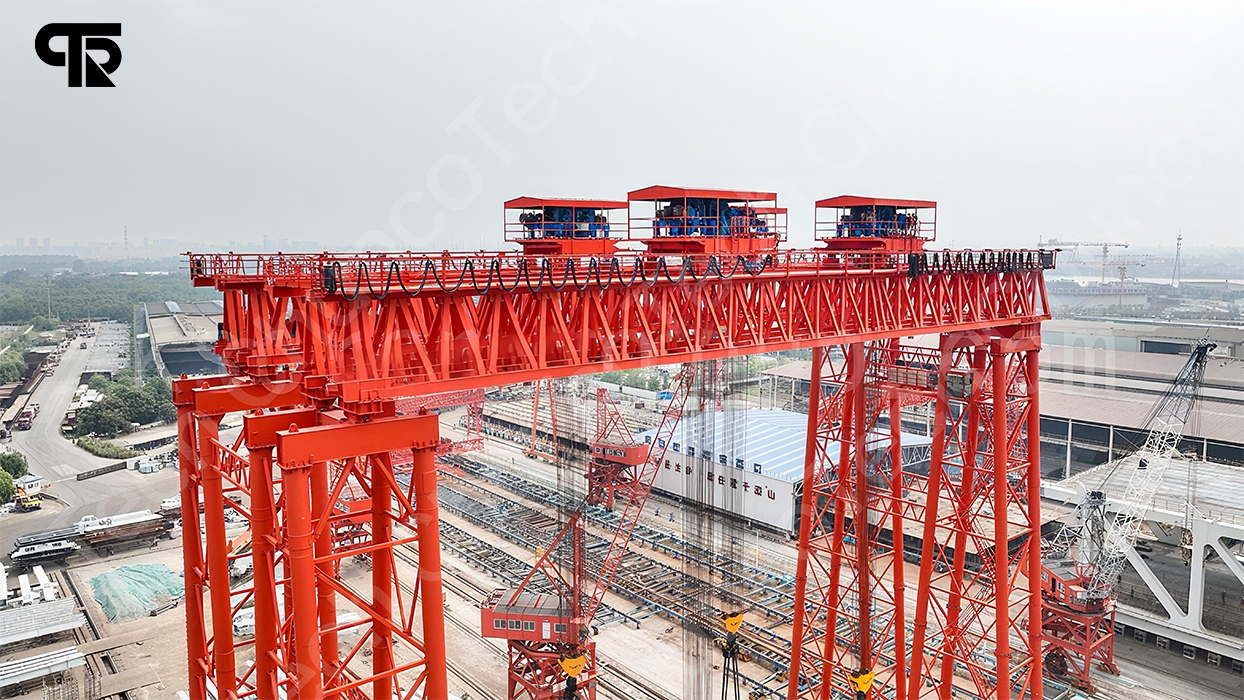 Stiff Boom Crane