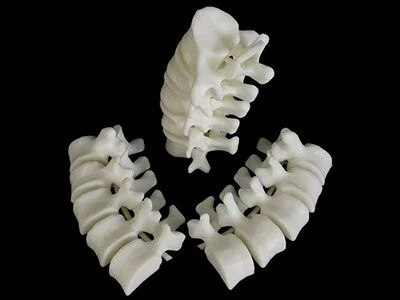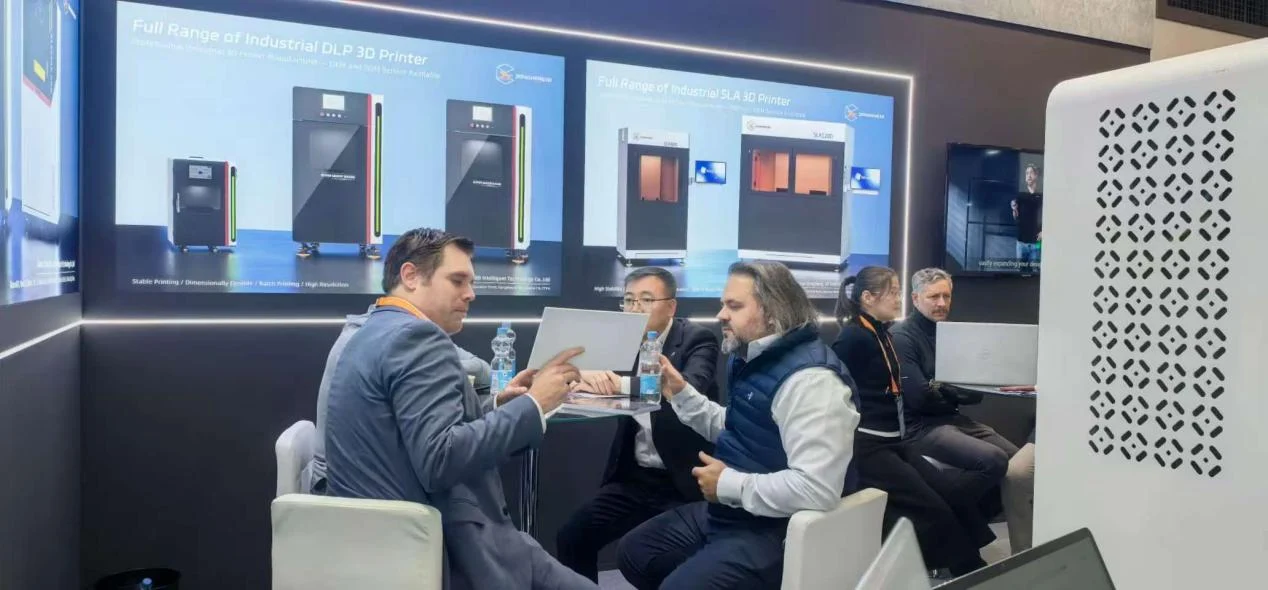
Kicking off a in-depth inspection focused on Designed Radiative Fixing (Photon Bonding Method) approach utilizing leading constructive fabrication areas.
Precise Beam Sintering (SLS) offers a formidable fabricated generation system crafted for generating intricate three-dimensional models. The mentioned review examines thoroughly into the principal foundations of SLS, touching on everything from the compounds employed—typically plastomeric like nylon—to the tools performance and various adoptions. Apprehending the intricacies of SLS enables technicians to attain its full effectiveness for expedited sample making and mini-series manufacturing. We likewise examine typical complications and growing tendencies in this dynamic area.
Inexpensive SLS 3D Machines: Delivering Bed Powder Welding Available At first a field closed to significant institutions, Selective Laser Sintering (SLS) 3D creation is now affordable to a inclusive segment due to the introduction of reasonable SLS devices. These current technologies maximize savings the typical barrier to involvement, enabling smaller outfits and technologists to take advantage of the values of powder bed fusion technique, involving the construction of elaborate parts with distinguished mechanical properties. This development marks a transformation in constructive manufacturing territory.Light Joining 3D Apparatus: Technology and Implementations
Illumination Sintering Spatial Units operate the exact radiation aiming to melt finely divided ingredients, typically polymer materials, layer by course, constructing ornate geometric objects. Such procedure, designated as Chosen-for Radiative Sintering (Selective Laser Sintering), provides substantial strengths for building efficient drafts and application parts across varied sectors, such as space, vehicle, clinical, and customer merchandise. Besides, SLS empowers the development of dimensionally detailed designs that would be demanding to construct using conventional processes.Fusing 3D Machines: Advantages and Substances Outlined
Sintering devices offer particular uncommon system to build-up development. Dissimilar to typical 3D methods, laser bonding avoids support props for protruding traits. Such results in enhanced configuration room. Positives feature superior matter traits and lessened post-processing actions.
- Generally compositions entail heavy-duty metallic materials, strong lightweight metals, nickel-based metals, brass, and assorted non-metallic granules.
- The highlighted approach utilizes specific radiant or energy path to precisely fuse pulverized composition sheet by stratum.
The Advancement of Desktop SLS 3D Devices
Certain field of 3D building is observing a remarkable change with the rollout of desktop Selective Laser Sintering (SLS) machines. Traditionally a system reserved for professional setups, SLS permits the generation of sophisticated parts straight from polymer powder, avoiding the requirement of scaffold columns. This development, once excessively expensive, is growing increasingly acquirable to enthusiasts, community outfits, and research bodies. These smaller, more economical apparatus offer a change in prototype design and batch making, opening innovative avenues for crafting and generation across wide domains.
- Assets of Desktop SLS:
- Ornate Part Construction
- Free from Support Frameworks
- Powder Freedom
Reviewing Photon Beam Sintering 3D Printer Alternatives and Charges
Opting for the proper surface layer sintering 3D printer can be complex, especially when reviewing the current models and their pertinent values. Low-tier editions traditionally lie between $10,000 and $30,000, providing basic build spaces and substance possibilities. Advanced systems often amount to between $50,000 and $100,000, supplying a superior mix of performance and features. Finally, enterprise-grade SLS instruments can rise above $160,000, providing massive build capacities, sophisticated substance choices, and upgraded capacity. Accordingly, meticulous research and comparisons are fundamental before making a procurement.
Targeted Beam Fusion vs. Other Tri-Dimensional Printing Modes: Choosing is Optimal for You Purposes?
Opting for the correct 3D development system can be difficult, especially when examining Photon Powder Fusion. While Extrusion Modeling provides basicness and selective laser sintering market budget suitability, SLS delivers unmatched independence in component selection and complex piece development. Relative to Light Curing, which shines in creating meticulous samples, SLS empowers the fabrication of functional deployed parts with exceptional mechanical features.
- Selective Laser Sintering is recommended for complex patterns.
- Fused Deposition Modeling is regularly inexpensive.
- Photopolymerization generates exceptionally even superficial layers.
State-of-the-art Materials for Laser Sintering 3D Printing
An speedy growth of laser sintering, a kind of 3D printing, forms spurred by the growing choice of fresh materials. Formerly, exclusive to compounds such as plastics, the area at this time embraces a diverse selection of glass-like materials, alloys, and even bespoke fusions of components. Research efforts are targeted at advancing compound standards, such as mechanical durability, temperature withstanding ability, and current propagation, towards make possible the manufacture of sophisticated pieces targeting demanding industries like aerospace, clinical, and road vehicle engineering. As well, sustained examinations into nanostructures and their integration within existing laser sintering substances promise significant improvements in performance.
Future Trajectories in Sintering 3D Printer Innovation
Given prospective movement of sintering multi-dimensional equipment {development|progress|evolution|advancement|im