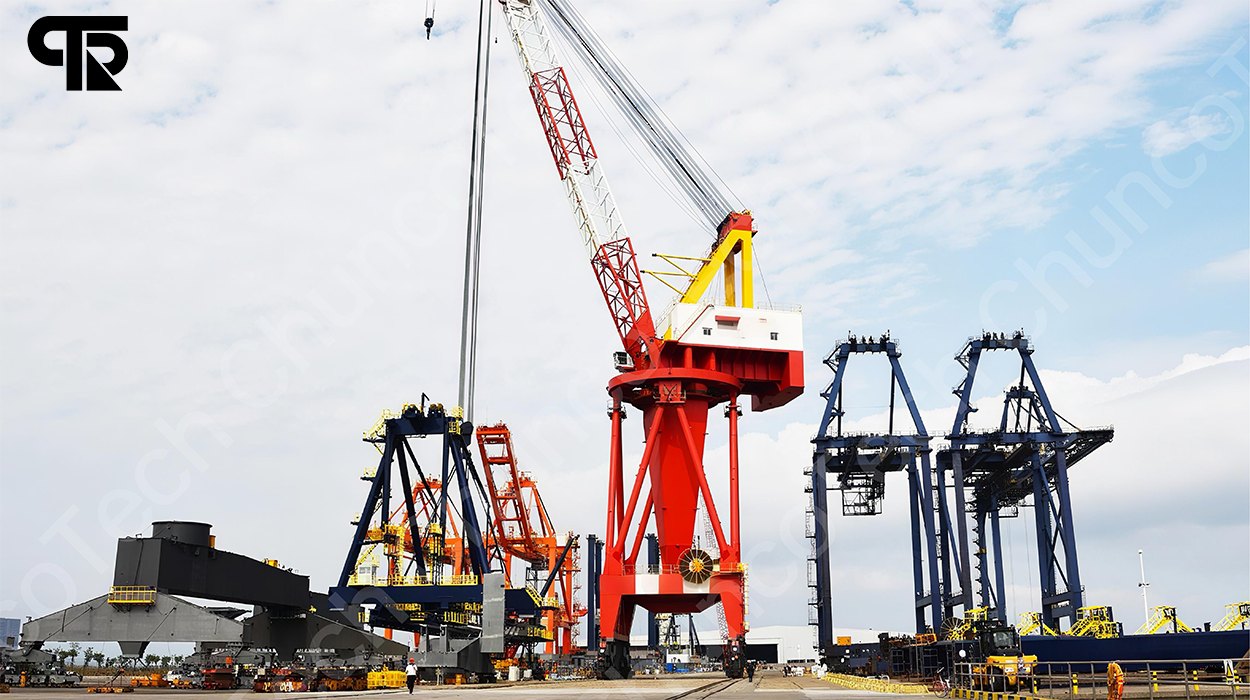
Choosing a lifting device, the conclusion often equals variflex boom versus linear arm. Extendable arms yield uncomplicated nature and are fitting for upright lifts, but foldable booms afford enhanced maneuverability, facilitating access to constrained spaces. Assess the worksite; if you’re largely facing impediments or want more multifaceted positioning, a articulated crane is commonly the wiser option. However, for open-air areas and plain lifts, a straight boom might be a greater budget-friendly answer.
Grasping Robust Lifting Arm Lifters: Implementations and Assets
Resilient craning arm loaders represent a specialized type of lifting equipment, designed for heavy load management in challenging locations. Their main feature is a rigid boom construction, which allows for precise positioning and elevated solidity, especially when conducting in small spaces or at significant heights. Common jobs consist of bridge assembly, production endeavors, wind zone arrangement, and facility expansion. The crucial upsides include increased safety, heightened capability, and the capability to achieve tasks that would be unrealizable with usual devices. This amounts to reduced fees and boosted initiative outcomes.
Quay Hoists: The Titans of Jetty Container Distribution
Present-day colossal STS jibs represent the peak of engineering accomplishment in the port industry. Designed to promptly load and transfer containers between freighters and the pier, they are crucial for the continuous operation of modern docks. Their scale – often exceeding a triple-digit distance units – and remarkable force allow them to handle the greatest container ships currently in function, fundamentally influencing global transactions.
Knuckle Boom Cranes: Multifunctionality in Lifting Jobs
Knuckle boom devices are renowned for their exceptional adjustability, providing users with a particular advantage in varied lifting up tasks. Boasting a articulating boom piece, these robust loaders can reach around blockades and position cargo in compact locations. This power makes them ideal for implementations in construction, handling, power assignments, and abundant other fields. In summary, knuckle boom cranes offer a meaningful choice to challenging elevating stipulations.
Straight Boom Cranes: Precision and Security Defined
Direct lifting arm equipment are renowned for their extraordinary competence to deliver definitive lifting and setting of freight. Versus articulating models, their uncomplicated design creates congenital stability, making them suited for functions requiring extensive quantities of control and limited oscillation. This attribute is eminently indispensable in construction sites and fields where stringent tolerances are mandatory.
Tough Jib Equipment Advantages: When Stiffness Is Important
Classic crane arm apparatus often face challenges with deformation, especially when hoisting hefty cargo or conducting at noteworthy radii. However, stiff boom cranes provide a clear benefit by reducing excessive sway. This enhanced stability translates to safer operations, raised carefulness, and a mitigated danger of burden imbalance. Thus, unyielding devices are suited for tasks where structural resilience is important.
Jetty Cranes: Certain Insightful Study into STS Mechanisms
Such harborside gantry system represents particular important component among modern freight ports. Advanced ship-to-shore hoists are sophisticated structures fabricated to competently transfer units away from enormous container transports toward dock logistics. Each performance involves exactitude crafting and integrated operations to secure safety and boost efficiency.
Examining Lifting Types: Segmented, Boom, Robust, and Dockside
Selecting the best lifting device for a special use is paramount. While many possibilities exist, four common forms – knuckle cranes, linear cranes, luffing cranes, and portside cranes – embody significantly varied features. Segmented cranes provide remarkable maneuverability due to their folded part, making them befitting for restricted places. Boom cranes grant flexible stretch through their extendable segment, prime for widespread heaving needs. Rigid cranes hold a upright part, preferred for exact deployments where constancy is essential. Finally, Portside cranes, specialized for box carrying at jettys, include substantial loading power and prolonged distance.
- Variflex Lifting Models
- Linear Apparatus Varieties
- Rigid Loader Styles
- STS Lifting Models
Specific Change of STS Cranes: Innovations and Breakthroughs
Along recent phases, STS (Ship-to-Shore) crane apparatus has undergone a significant shift, prompted by pressures for augmented port effectiveness. Early STS cranes were partially simple structures, employing basic lifting mechanisms. Now, today's STS cranes include sophisticated control, including high-tech control systems, smart positioning capacities, and upgraded safety precautions. A key shift is the embedding of electro-powered propulsion, abating contamination and advancing operational functionality. Also, the rise of remote operation and automated maintenance are evolving the territory associated with STS crane application. The expectation sees enduring concentration on resource conservation and the creation of even larger cranes to adjust to mountingly huge container freighters.
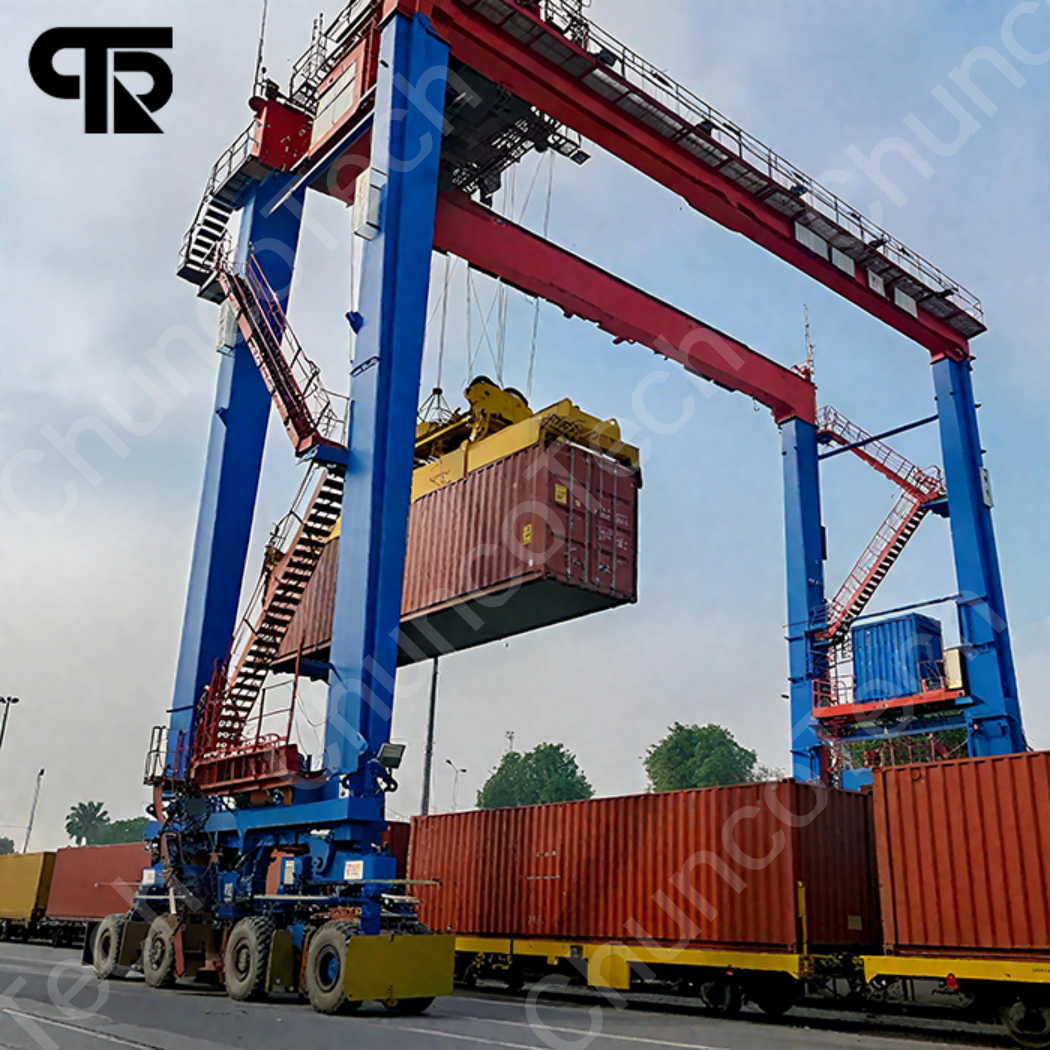 RMG Crane (Rail-Mounted Gantry Crane)