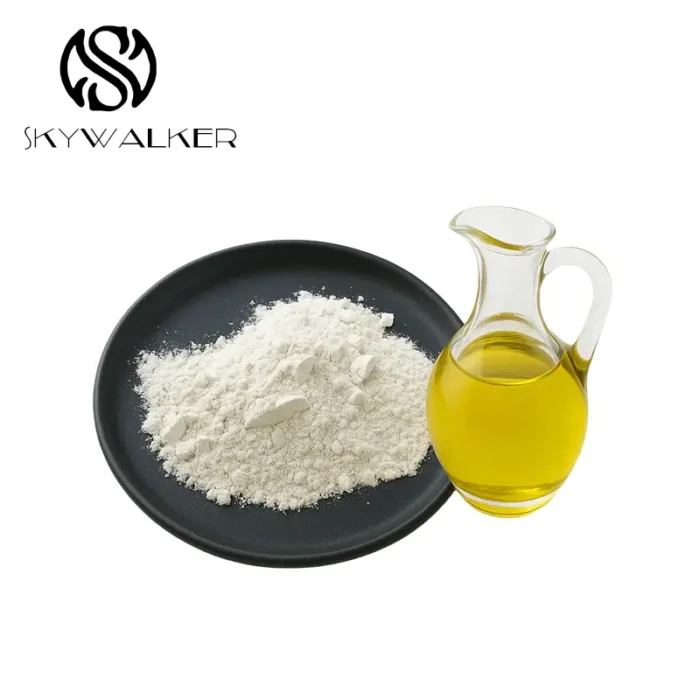
Grasping treated whitening compound demands a profound investigation of its traits. This remarkable object is frequently applied in the distillation of lubricants, skillfully eliminating pollutants. The modification method typically involves enzymatic treatment, strengthening its absorption power to collect colored substances. Conclusively, this brief will examine the fundamentals behind refined bleaching soil and its uses.
Refining Compound Partners: Finding the Appropriate Company
Ensuring a established vendor of purifying material is required for many enterprises, particularly those involved in fat refining. Determining the correct supplier requires thorough consideration beyond just rate. Review their proficiency in whitening compound sourcing, their assurance procedures, and their capacity to consistently satisfy your demand needs. A reliable bleaching earth partner will also offer assistance and a spectrum of variants to match your individual application.
Certain Foundation Behind Improved Detoxifying Soil
Prepared bleaching soil, a cornerstone among the refining operation for edible oils, functions through a fascinating amalgamation of concrete and chemical relations. Initially, naturally occurring chlorite is activated – a approach involving heat and elements – to drastically increase its surface scope. This expanded surface delivers an immense number of positions for the focused adsorption of color pigments, residues, and unwanted odor compounds. The mechanism is primarily adsorption, where molecules are held by weak van der Waals forces, though some active adsorption can also exist with certain ingredients. This results through a significant diminution of color and betterment of the oil's appearance and character.
De-colorizing Substance - Features and Applications
Lightening aggregate, frequently named china clay, reveals unique traits that enable it extremely important across several selection of industries. Its foremost attribute is its extraordinary brightness, coming from its limited oxide degree. This aspect renders it favored for employments requiring a clear visual aspect. Supplementary to its tint, whitening soil is commonly soft and demonstrates good flexibility, enabling it to be quickly formed. Regular purposes comprise pulp construction, synthetic improvement, therapeutic solutions, skincare wares, and as an desiccant medium in multiple mechanical operations. Likewise, it finds use in porcelain and stain fields.
Identifying the Ideal Prepared Refining Clay for Particular Aims
Picking the right bleaching clay can be a complicated endeavor, as various applications call for specialized properties. Consider the kind of material you’re operating on; some earth are superior for botanical oils, while separate classes are designed towards marine fats. Variables like void volume and bleaching power substantially influence capability. bleaching clay
- Analyze the brightness and scent level of the substance to specify the mandated detoxifying level.
- Review the fineness; thinner particles generally grant improved surface area, but may result in purification challenges.
- Fathom the fluid concentration as it impacts the material’s purifying capability.
Whitening Aggregate: Development Operations and Management
The production of bleaching earth, a widely utilized material for oil refining and chemical purification, involves several key procedures. Initially, montmorillonite is mined and then subjected to activation via heat interaction and/or chemical conversion. This approach enhances the retentive properties of the substance. Later, rigorous quality screenings are implemented, consisting in appraisals of fragment size arrangement, oil adsorption performance, and liquid quantity. Advanced analytical systems, such as microscopy analysis and regulated analysis, are employed to assure a stable output that corresponds to stringent norms.
Green Sourcing of Activated Bleaching Earth
The expanding demand for activated bleaching earth presents a major challenge regarding its production and environmental repercussion. Classic sourcing methods can result in habitat ruin and reduction of natural resources. Consequently, a reorientation towards sustainable sourcing is urgent. This involves focusing on practices like tree planting of mined areas, reusing waste offcuts from other industries for fabrication, and supporting domestic communities to guarantee ethical and moral mining practices. Furthermore, authentication schemes and strict examination processes are essential to prove that the material is secured in a truly eco-friendly manner. Issues should also include minimizing gas consumption during processing and fluid usage.
- Land rehabilitation efforts
- Employing waste materials
- Cooperating with local communities
- Verification schemes
De-colorizing Soil Vendor Registry: Top Corporations Arranged
Finding a credible compound supplier can be a hurdle, but our comprehensive guide aims to expedite the process. We’ve carefully assembled data and graded leading suppliers in the bleaching earth sector. This overview highlights significant producers known for their reputation and support, allowing clients to track down the excellent source for their specific needs. Numerous factors, including throughput, variety, and customer reviews, were assessed in determining these prime classifications.
Decoding Activated Bleaching Earth Performance Metrics
To skillfully assess the efficiency of activated bleaching earth, it’s essential to recognize key efficiency metrics. These benchmarks often include color grade, typically measured using a analyzer, which exhibits the earth’s ability to filter color from oils. Furthermore, acid value is vital, as it dictates the bleaching process; a higher level usually connects with improved lightening capabilities. Finally, surface area, often calculated via BET analysis, strongly impacts the earth’s capacity to hold colorants, ultimately governing its overall clarifying function.