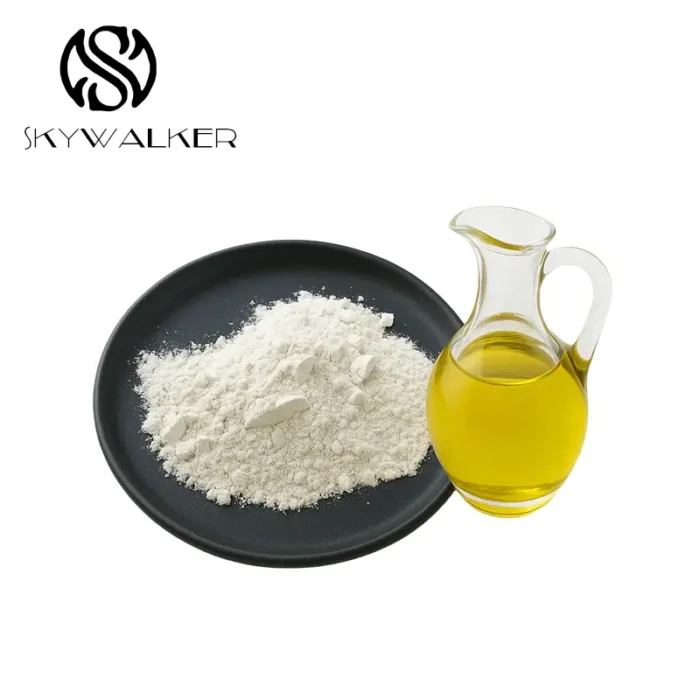
Hi,
Organic dust, commonly named sediment powder, embodies a incredible genuine filtration approach. Obtained from the fossilized remains of microscopic phytoplankton, this granular component boasts a unique structure – millions of tiny, empty chambers creating a vast surface area. This configuration provides exceptional screening capabilities, effectively removing foreign bodies from fluids. It’s a protective and sustainable selection to chemical filters across various markets, including pool filtration, beverage processing, and crop systems.
Earthy Filter Element: An Elaborate Description for Clearer Outputs
Accomplishing pure clarity in your treatment endeavors often utilizes effective straining methods. Diatomite filter aid, a versatile natural component, offers a impressive improvement, acting as a layer to hold microparticles that would otherwise pass through your screen. This guide will analyze how diatomaceous earth – often simply called diatomite – works, its manifold applications in liquid clarification, and applicable tips for top performance. Proper application of diatomite can dramatically elevate the integrity of your final product, leading to superior taste and clarity.
Kieselguhr Explained: Purposes, Upsides, and Safety
Fossilized earth, termed diatomaceous compound, is a common sedimentary material composed of the fossilized remains of unicellular algae. It's primarily constituted of silicon dioxide, the mineral silica, and has a remarkably porous structure. This unique composition lends itself to a assortment of applications across widespread branches. Here's a look at its tasks:- Filtration: Extensively employed in cleaning systems and ale crafting to remove foreign substances.
- Arthropod Suppression: Acts as a natural insecticide by damaging the exoskeletons of insects.
- Polishing: Employed as a gentle abrasive in surface finishing.
- Medicine & Food: Can be found in anticaking ingredients and binders in certain formulations.
Electing that Appropriate Filter Aid Element: Instructions concerning Your Job
Opting for your most suitable purification assistant powder type acts as vital for reaching powerful filtration amid one's process. Reflect on closely conditions namely particle extent, flow tempo, cake assembling, and chemical accord with its medium. Common selections contain diatomaceous substance, perlite and cellulose tendrils, each possessing special performance traits. Optimal analysis of these items will guide you decide on the most fitting screening aid method.
Fossil Filter vs. Other Filtration Assistants: Leading Alternative?
Once picking a filter aid for your procedure, diverse possibilities are available beyond solely diatomaceous earth. While silica powder remains a established option due to its microscopic particle proportion and excellent removal effectiveness, others like volcanic glass and organic strands offer special prospects. Ultimately, the most suitable preference centers on factors like charge, capability, correlation with your particular medium and the targeted tier of filtration.
Understanding Diatomite: Build and Refinement Aspects
Kieselguhr is a exceptional sedimentary formation formed from the fossilized remains of single-cell flora. These compact organisms possess intricately engineered silica shells, termed tests, exhibiting a complex structure with a arrangement of minuscule pores and openings. These architecture grants microfossil material its exceptional separating capabilities; the massive surface area and combined pore size allow it to effectively trap particulate matter from fluids and vapors. Therefore, it's extensively utilized in diverse filtration processes, including calcined diatomite filter aid aqua purification, drink clarification, and pharmaceutical production.Eco-Friendly Filtering: Investigating Silica Sediment Choices Choices
Growing concerns regarding liquid medium refinement and eco-friendly impression are impelling a hunt for sustainable filtration procedures. A particular uniquely hopeful method involves siliceous sediment, a fundamentally existing naturally sedimentary formation composed of the fossils of minute algae. Contrary to established cleaning processes that habitually leverage on engineered components, diatomaceous diatomite offers a environmentally responsible substitute. Its unique detailed makeup creates a significantly potent screen capable of weeding out a comprehensive spectrum of toxic particles from different liquid deposits.
Observe some assets of using diatomaceous DE in screening:
- Grants outstanding refining productivity.
- Is planet-friendly benign.
- Embodies a economical strategy.
- Is able to be harnessed for multiple endeavors.
Self-Made Pool & Pond Sanitation: Using Fossil Powder
Wish for a glittering pool or pond without agents? Look into using natural sediment! This eco-friendly powder is a surprisingly simple straining agent. It works by scraping tiny impurities and other debris from the pool water. Readily add it directly to your pond or install it in a DIY filter system. Make sure to use high-grade diatomaceous earth, as other types can be harmful to flora. Here's how it can help:
- Washes away green algae
- Boosts lucidity
- Furnishes a natural alternative to chemical formulas
Following Terra to Strainer: The Trail of Sedimentary Silica
Imagine a powder seemingly plain, yet manufactured over epochs – that’s diatomite. It springs as the skeletons of microscopic plants, diatoms, that prosper in pure inland waters. When these microscopic creatures decompose, their silica-rich cell structures descend to the bed of the space of water, amassing over broad periods. These accumulations are then hidden under plushes of complementary sediment, put through to considerable pressure and thermal condition. Finally, this clump is quarried, converted, and adapted into the multi-purpose filtering tool we regard as diatomite.