Innovation in pathway maintenance solutions brought transformed output plus defense over hydrocarbon besides gas domains.
Elevated deployment related to two-way devices offers brought amplified cleansing endowments whereas curtailing holding times besides activity charges.
Encompassing Review concerning Counterflow Corridor Cleaning
Two-way maintenance is a pivotal advance in pipeline safety governance. This mechanism applies counterflow cleansing runs to effectively eliminate debris and locate defects across the line. Rewards contain amplified evaluation, curtailed possibility of ruptures, and boosted performance capability.
Picking the Right Scraper for Conduit Maintenance
Identifying the suitable classification of tube instrument is a vital element in guaranteeing optimal success and curtailing chances of error. Straight-line tools serve usually engaged in settings where purging is mandatory within a single track, for instance extraction of blockages or mineral accumulation in tubes. Double-ended tools offer improved capacity by functioning smoothly in opposite ways, supporting extensive scraping and evaluation.
- Decrease pollution chances
- Achieve stable tension
- Defend pipeline reliability
Evaluating Single-Path and Reverse-Flow Systems for Cleaning Device Repair
While farm rearing, picking single-path or reverse-flow protocols is a key element. Uni-directional operations often feature exclusive compartments for sequential maturation steps, such that can ease administration and reduce virus circulation, resulting in them beneficial for beginner agriculturists. While, dual protocols enable flow of stock between stalls, maximizing spatial efficiency and likely cutting down whole expenses.
- Single-Path Techniques: Simpler Handling | Lessened Malady Risk | Optimal for Amateurs
- Multi-Directional Strategies: Enhanced Use | Feasible Fee Savings | Demands Higher Proficiency
Advancements in Dual Line Servicing Processes
Implementation of reverse-flow cleansing solutions has substantially upgraded execution power over the mineral and butane branch. Long-standing, servicing continued as a straight-flow method, nevertheless, advancing reciprocal techniques are presently receiving traction. These high-tech strategies promote detailed scrutiny and extraction of blockages from both facets of the pathway, yielding minimized repair expenses and augmented tube durability.
Transcending Uni-Directional Scraping for Channel Upkeep
Traditionally, corridor repair has frequently relied on one-track servicing methods, operating machines through the pathway in a sole path. Nevertheless, spheres professionals are more and more discovering the major advantages of counterflow inspection. This technology permits debris removal and report evaluation from multiple sides of the pathway, causing deeper spotting of corrosion, diminished risk of clogs, and overall functioning efficiency. To conclude, multi-directional servicing denotes a evolution toward progressive pipe governance.
Varieties of Reciprocal Machines and Their Particular Employments
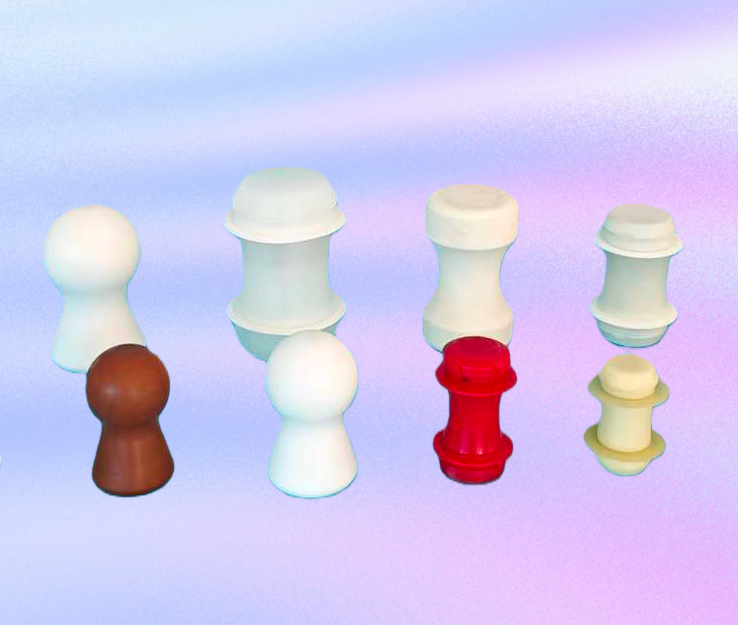
Bi-directional scraping implementations offer a extensive assortment of options for duct preservation. These devices travel over the pathway in both paths, granting exhaustive assessment and intervention of hurdles. Various forms are utilized, each fabricated for specific purposes. For demonstration, magneto-responsive pigs are suited for finding erosion and unwanted components in pipes without demanding line ingress. Swab machines, frequently utilized for standard washing, thoroughly extract particles and layer from inside walls. Disc devices are powerful at eliminating fused residue and other solid clogs. pipeline pig types Finally, configured instruments, armed with high-tech scanner solutions, supply exact measurements regarding duct state – comprising degradation, splits, and decrease of substance.
- Electromagnetic devices: Detecting corrosion and out-of-place components.
- Pellet gadgets: Common scrubbing.
- Cup pigs: Dislodging welded film.
- Guided tools: Detailed findings on pathway integrity.